Related Search

Embroidery by Woolen Threads

Woolen fabrics:

    Woolen fabrics (100%)has a fairly tight weaving, so it is able to support a wide variety of embroidery designs. If you can pull the fabric fibers apart easily or the fabric feels stretchy and delicate, lighter designs might work best on that fabric.


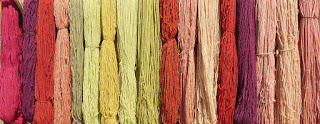
woolen embroidery done by woolen different colors.


This Embroidery done by different colored woolen thread.

The Best Woolen Yarn Dog

Thanks

Kashidakari of Kashmir

Kashidakari:

Chain Stitch


aari stitches embroidery

Kashida Kari (Kashidakari) is a traditional and exquisite embroidery style from Kashmir, known for its elegant, nature-inspired motifs and fine craftsmanship. The word "Kashida" means needlework in Persian, and it has become synonymous with the art of embroidery in Kashmir.

What is Kashidakari (Kashmiri Embroidery)?

  • Origin: Native to the Kashmir Valley, this art has been passed down through generations and is deeply rooted in the cultural and artistic heritage of the region.
  • Motifs: The designs often include:
    • Chinar leaves (maple leaves)
    • Lotus flowers
    • Paisleys (ambis)
    • Birds (especially kingfishers and parrots)
    • Trees and vines
  • Stitches Used:
    • Chain stitch
    • Satin stitch
    • Slanted darn stitch
    • Stem stitch

These stitches are worked with such precision that the back of the fabric often looks as neat as the front.

Types of Kashidakari Based on Material:

  1. Sozni embroidery – Fine needlework, mostly done on pashmina shawls using a single strand of silk or cotton thread. It features symmetrical designs on both sides.
  2. Aari embroidery – Done with a hooked needle (like zardozi), often on thicker woolen or cotton fabric. Richer and more textured.
  3. Tilla embroidery – Made with gold or silver thread (similar to zardozi), often used on bridal wear and pherans (traditional Kashmiri cloaks).
  4. Crewel embroidery – Uses woolen threads and is mostly done for home furnishings like curtains, cushion covers, and bedspreads.

Cities and Villages Where It's Done:

  • Srinagar – The cultural hub of Kashmir and main production center for sozni, tilla, and aari work.
  • Baramulla and Anantnag – Known for artisan clusters practicing both sozni and crewel embroidery.
  • Kupwara, Pulwama, and Budgam – Other districts in Kashmir Valley where families are engaged in embroidery work.

Sourcing (Materials and Centers):

  • Raw Materials:

    • Pashmina wool – Sourced from Ladakh and high-altitude regions of Kashmir, spun by hand and woven into shawls.
    • Silk/cotton threads – Often sourced from Delhi or Ludhiana, but sometimes dyed locally.
    • Woolen threads (for crewel) – Locally produced or brought from northern manufacturing hubs.
  • Finished Products Sourcing/Export:

    • Srinagar markets (like Lal Chowk and Zaina Kadal) are major trading points.
    • Craft development centers and cooperatives (e.g., under JK Handloom or Craft Development Institute Srinagar) also facilitate sourcing for large orders or export.

Usage:

  • Pashmina and wool shawls
  • Phirans (traditional Kashmiri dresses)
  • Home décor (curtains, wall hangings, cushions)
  • Stoles, dupattas, and scarves

Would you like help comparing Kashidakari and Zardozi or tips on how to authenticate real Kashmiri embroidery?

Chain stitch:-
    Chain Stitch and Crewel Furnishings Two chain stitch, be it is in wool, silk or cotton, is done by hook rather than any needle. The hook is referred to as Ari, and quality for quality, hook work covers a much larger area than needle work in the same amount of time. All the embroidery is executed on white cotton fabric, pre-shrinked by the manufacturers. The intrinsic worth of each piece lies in the size of the stitches and the yarn used. Tiny stitches are used to cover the entire area the figures or motifs are worked in striking colors; the background in a single color, made up of a series of coin sized concentric circles which impact dynamism and a sense of movement to a design. The background fabric should not be visible through the stitches. Crewel is basically similar to chain stitch. Its also Chain stitch done on white background, but here the motifs, mainly stylish flowers, do not cover the entire surface, and the background is not embroidered upon. Wool is almost invariably used in Crewel work and color ways are not as elaborate as in chain stitch. They make excellent household furnishings being hand or machine washable.
You may like this


Sozni

-->

Sozni Embroidery: The Timeless Craft of Kashmir

 
 Sozni is a embroidery work on shawls it done by hand with the help of simple needle.
Sozni embroidery is a delicate and intricate form of needlework that originates from the Kashmir Valley in India. Known for its elegance and sophistication, Sozni is one of the finest examples of traditional Kashmiri craftsmanship, often used to adorn luxurious pashmina shawls, woolen garments, and silk fabrics.

Origins and Cultural Significance


Origins and Cultural Significance

Rooted in centuries-old Persian influences, Sozni embroidery developed as a courtly craft under the patronage of Mughal emperors. Over time, it became an essential part of Kashmiri cultural identity. Today, it represents both artistic heritage and skilled artisanship, passed down through generations.


Technique and Style


Unlike other forms of embroidery that may rely on multiple threads or vibrant palettes, Sozni is characterized by:
Single or double strands of silk or cotton thread Extremely fine and symmetrical stitching
Motifs inspired by nature, such as paisleys, flowers (especially the chinar leaf), vines, and birds Mirror-image designs—the embroidery appears almost identical on both sides of the fabric The process is labor-intensive, with a single shawl often taking several months to a year to complete.

Sozni vs. Other Kashmiri Embroideries

Aari: Done with a hooked needle, Aari is bolder and faster but less intricate than Sozni.

Zari: Involves metallic threads, used for a richer, more festive look.

Sozni, by contrast, is subtle, refined, and intended for close inspection.


Contemporary Relevance

Today, Sozni embroidery continues to thrive due to both domestic and international appreciation for handmade, slow-fashion textiles. It is supported by government handicrafts initiatives and designer collaborations, yet still faces challenges like mass production imitations and declining artisan numbers.


Sozni Embroidery: The Artisanal Soul of Kashmir

Sozni embroidery is more than just a textile tradition—it's a testament to Kashmir’s rich cultural heritage and a shining example of India’s enduring commitment to luxury craftsmanship. Meticulously hand-stitched on fine Pashmina shawls, Sozni represents a unique blend of elegance, skill, and storytelling through thread.


What Is Sozni Embroidery?

Sozni (also spelled Sujni) is a centuries-old needlework technique practiced primarily in the Kashmir Valley. Unlike bolder embroidery styles, Sozni is known for its subtlety and sophistication, achieved through fine, precise stitches using silk or cotton threads. Artisans typically draw nature-inspired motifs—like paisleys, chinar leaves, and delicate florals—that reflect the seasonal beauty of Kashmir.


A Legacy Stitched with Patience

A single Sozni-embroidered shawl can take months—even up to a year—to complete, depending on its complexity. What makes this embroidery truly exceptional is its double-sided finish. Both the front and back of the fabric are nearly identical, showcasing the artisan’s skill and attention to detail.

Each piece is a labor of love, passed down through generations of Kashmiri artisans, often within families. It’s this lineage of mastery that gives Sozni its place in the global world of luxury handmade textiles.

The Sozni Technique: Where Precision Meets Poetry

Unlike Aari embroidery, which uses a hooked needle and creates bold, chain-stitched patterns, Sozni relies on a simple needle and the artisan’s dexterity. The stitches are minute, tight, and symmetrical, often layered in vibrant yet muted hues that appeal to both traditional and modern aesthetics.

Sozni in Today’s World

In recent years, there has been a revival of interest in slow fashion and sustainable luxury—movements that value craftsmanship and cultural heritage. Sozni embroidery aligns beautifully with these ideals. While mass-produced imitations flood markets, genuine Sozni pieces continue to be coveted collectibles, prized for their artistry and timeless elegance.

Why Sozni Deserves a Place in Your Wardrobe

Owning a Sozni-embroidered shawl or textile isn’t just a fashion statement—it’s a way to support heritage artisans, preserve intangible cultural traditions, and invest in a piece of wearable art. Whether draped over a winter ensemble or displayed as decor, Sozni adds a touch of refined Kashmiri beauty to any setting.

Banjara art

Banjaras tribes of India have typical embroidery styles influenced by many cultures, availability of raw material. Their clothes are full embellished with mirror work and bead work and diffrent kind of stitches with colorfull threads. Shells, ivory beads, and colorful threads are main in their senses. 


The banjaras still tend to keep in touch with their traditional crafts. The needle craft work that was earlier to colorful traditional "Ghagra" (skirt), blouses and seen on bags, belts, bead spreads wall hangings and for the living room decors.

Applique

-->

Applique Ideas

appliques samples

applique work by handapplique by hand cut fix with resham

applique work

applique embroidry by hand
A new way to do aplique
embroidery stitches


how to cut applique


aplique/patch work by hand
Applique work by hand

applique embroidery by matchine